By Mike, The SugarFreeMan
Founder of SugarDetox.com and the 30-Day Sugar Freedom Challenge
Man, what an incredible interview I had yesterday for the upcoming Kick Sugar Summit!
She’s coached hundreds of really high achievers, and one of the pillars of her work is helping people realize that their sugar consumption could be holding them back in much more than health and weight.
The insights she had from so many success stories were refreshing. Keep your eyes peeled for the Summit in January.
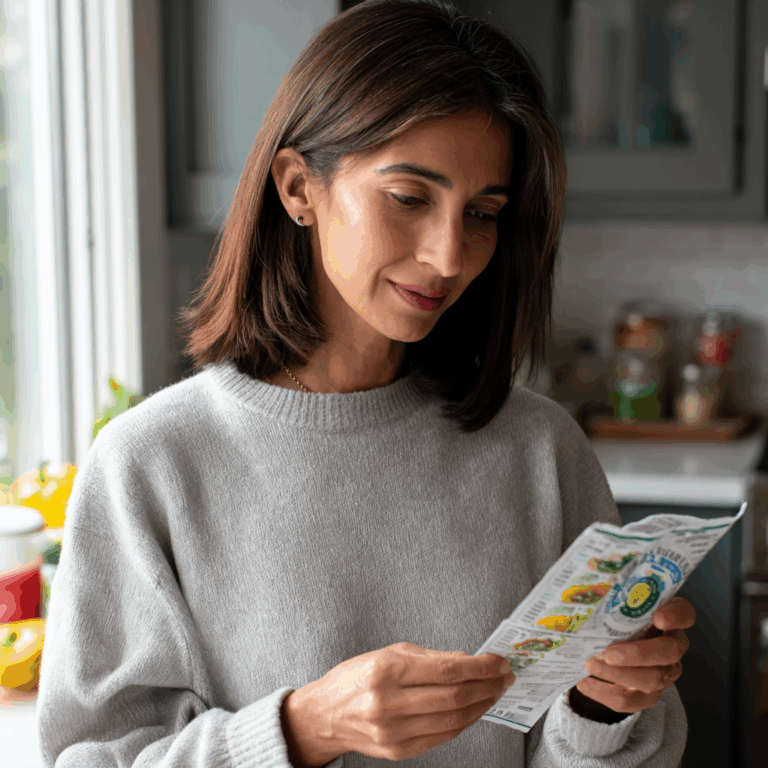
But today, I want to talk to you about something that came up repeatedly in our conversation: the way sugar hides in plain sight on food labels.
After 35 years sugar-free and helping tens of thousands of people navigate this, I can tell you: the food industry’s use of 60+ different names for sugar isn’t an accident. It’s a deliberate strategy to keep you consuming sugar without realizing how much you’re actually eating. Here’s how to see through the disguise.
This article was review by Dr. Camela McGrath, MD, FACOG. Find more about her here
Do You Read Labels? (And Do You Know What You’re Reading?)
Do you read labels?
Do you often wonder what some of the stuff named actually is?
Here’s the trick. Well, it’s more a rationalization than a trick.
Often, when we don’t know what something is, we can rationalize that it can’t be bad for us, right?
I mean, the government allowed it to go into a food, so it can’t be “that” bad.
Guess again.
The Rationalization That Keeps Us Consuming
This is one of the most common mental tricks our brains play on us:
“I don’t recognize this ingredient, but it’s on the label of a product in a grocery store, so it must be safe.”
“The FDA approved it, so how bad could it be?”
“If it was really dangerous, they wouldn’t let them sell it.”
This rationalization allows us to consume things we don’t understand while maintaining the illusion that we’re making informed choices.
But here’s what you need to know about how food safety actually works in the United States.

GRAS: The Government’s Way of Saying “Probably Fine”
GRAS.
Any guess what that little acronym means?
Generally Recognized As Safe.
It’s a catchy little saying used by the government when they don’t have anything totally terrible to say about a product.
Sugar is on the GRAS list. It was one of the first GRAS substances.
But that was long before Americans ate such large quantities.
What GRAS Actually Means (And What It Doesn’t)
GRAS doesn’t mean “proven safe.” It means “generally recognized as safe” – which is a very different thing.
Here’s how substances get GRAS status:
• They’re assumed safe based on historical use – “People have eaten this for a long time and didn’t immediately die”
• Or they’re deemed safe by expert panels – often funded by the food industry itself
• There’s no requirement for long-term safety studies
• The FDA doesn’t actively approve many GRAS substances – companies can self-determine GRAS status
So when you see an ingredient and think, “the government must have tested this thoroughly,” you’re operating on a false assumption.
GRAS is a very low bar. It means “we don’t know of any immediate, catastrophic harm.” It does not mean healthy.
The Dose Determines the Poison
It reminds me of Paracelsus who said:
“The dose determines the poison.”
A small amount of sugar consumed occasionally probably won’t cause immediate harm. That’s why it got GRAS status.
But the issue today is the amount we are eating.
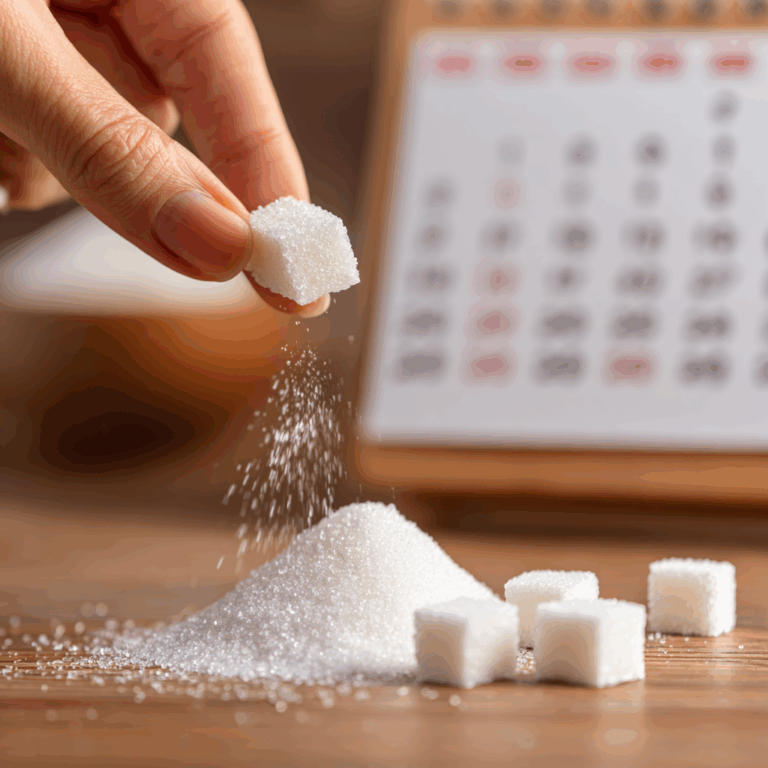
According to the CDC, the average American consumes 17 teaspoons of added sugar per day – more than double the recommended maximum.
That’s not a small dose anymore.
Water is safe. Drink 10 gallons at once and you’ll die.
Sugar is GRAS. Consume 17 teaspoons daily for years and you’ll develop obesity, diabetes, heart disease, and more.
The dose determines the poison – and we’re way past the safe dose.
The 60+ Names for Sugar (Hidden in Plain Sight)
Sugar is in 84% of all products in the grocery store.
The problem is that it’s hidden in plain sight. Labels don’t just say “sugar.” They say one or more of these:
Agave nectar
Barbados sugar
Barley malt
Barley malt syrup
Beet sugar
Brown sugar
Buttered syrup
Cane juice
Cane juice crystals
Cane sugar
Caramel
Carob syrup
Castor sugar
Coconut palm sugar
Coconut sugar
Confectioner’s sugar
Corn sweetener
Corn syrup
Corn syrup solids
Date sugar
Dehydrated cane juice
Demerara sugar
Dextrin
Dextrose
Evaporated cane juice
Free-flowing brown sugars
Fructose
Fruit juice
Fruit juice concentrate
Glucose
Glucose solids
Golden sugar
Golden syrup
Grape sugar
HFCS (High-Fructose Corn Syrup)
Honey
Icing sugar
Invert sugar
Malt syrup
Maltodextrin
Maltol
Maltose
Mannose
Maple syrup
Molasses
Muscovado
Palm sugar
Panocha
Powdered sugar
Raw sugar
Refiner’s syrup
Rice syrup
Saccharose
Sorghum syrup
Sucrose
Sugar (granulated)
Sweet sorghum
Syrup
Treacle
Turbinado sugar
Over 60 different names – same product, same effect, and most contain fructose.
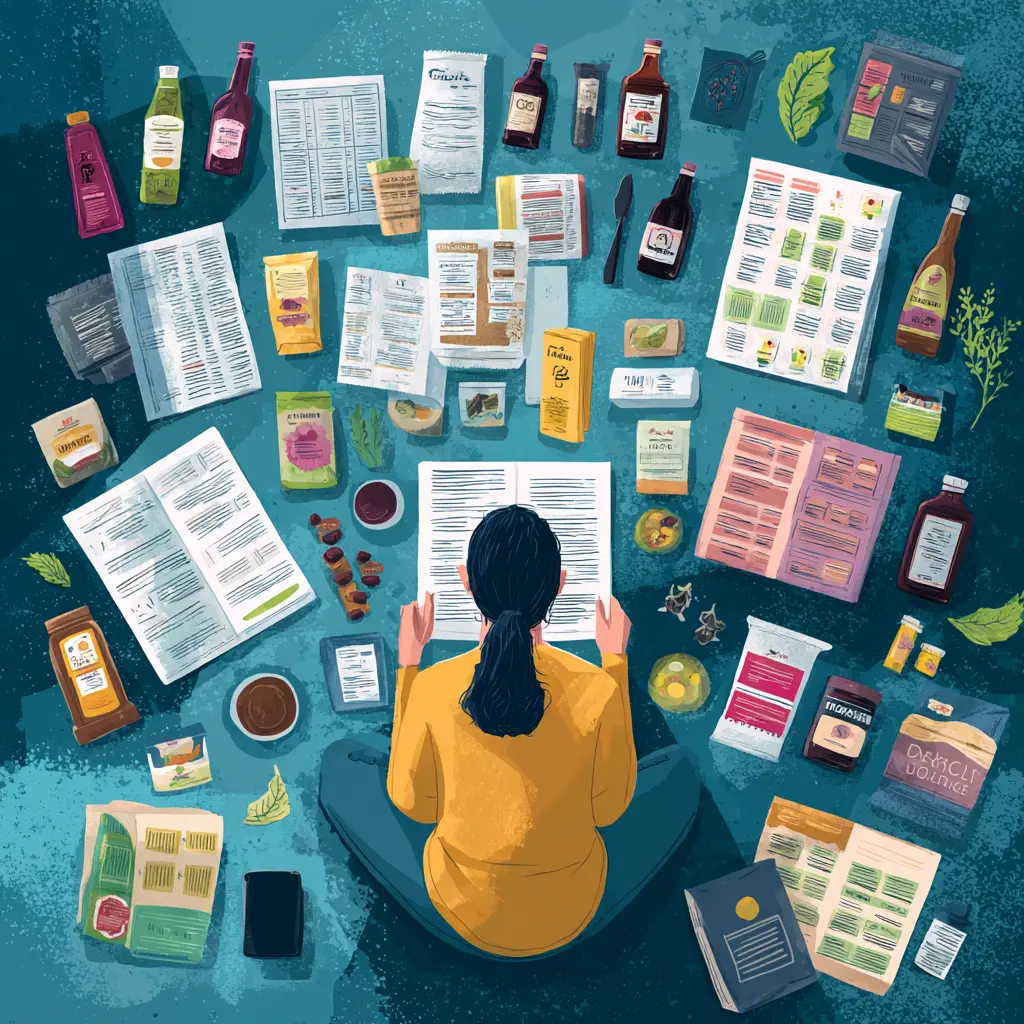
Why So Many Names? (It’s Not an Accident)
1. To Keep Sugar Lower on the Ingredient List
Splitting sugar into multiple names keeps each one lower on the list.
2. To Make Products Seem Healthier
“Evaporated cane juice” sounds better than “sugar.”
“Fruit juice concentrate” sounds healthy.
They’re all sugar.
3. To Confuse Consumers
Complex names = confusion. Confusion = consumption.
4. To Avoid Regulation
Multiple names make regulation harder.
The strategy is working. Most people have no idea how much sugar they’re consuming.
Ready to stop being tricked by food labels?
Our 30-Day Sugar Detox Challenge teaches you exactly how to spot all 60+ names for sugar, read labels with confidence, and make truly informed food choices – without guesswork or overwhelm.
The Agave Deception (And Other “Healthy” Sugar Lies)
Some agave syrups are up to 90% fructose.
For comparison, high fructose corn syrup is about 55% fructose.
So the “healthy” alternative can actually be worse.
The “Natural” and “Organic” Sugar Scams
• Organic cane sugar – still sugar
• Coconut sugar – still sugar
• Honey – still sugar
• Maple syrup – still sugar
• Date sugar – concentrated sugar
• Fruit juice concentrate – sugar without fiber
Your body doesn’t care if sugar is organic, natural, or blessed by monks.
Restaurants and Holiday Gatherings (The Total Crapshoot)
If it’s a chain restaurant, assume everything has sugar.
Salad dressings, bread, sauces, grilled meats, fries – all loaded with sugar.
A “healthy” grilled chicken salad can contain 20–30 grams of added sugar.
How to Navigate Restaurant Eating
• Order the simplest food possible
• Ask for sauces on the side
• Avoid anything glazed or sweet
• Skip the bread
• When in doubt, assume sugar
Or better yet: eat at home.
Your Action Plan: Becoming Sugar-Label Literate
Step 1: Save the sugar names list
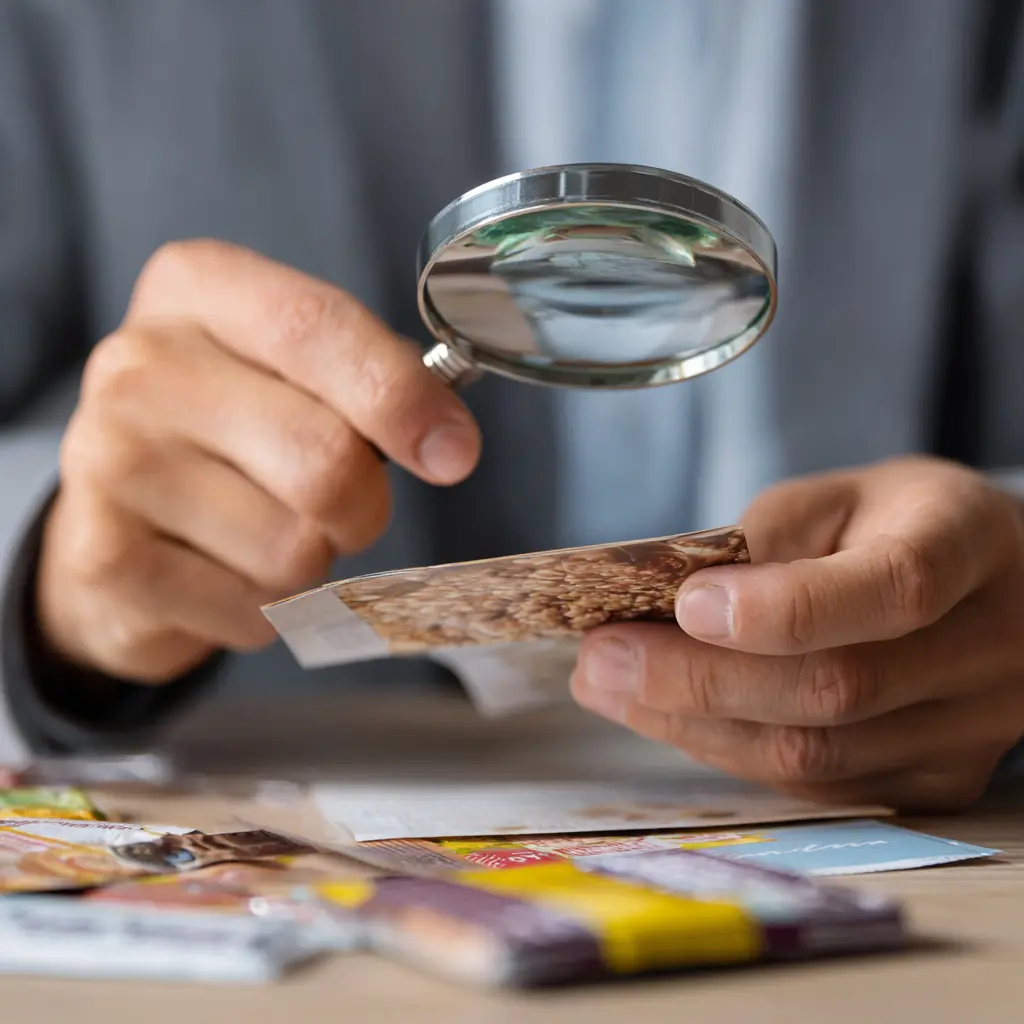
Step 2: Read every label for two weeks
Step 3: Check the “Added Sugars” line
Step 4: Choose real food
Step 5: Share what you learn
You’re now sugar-label literate. Use it.
You now know the truth about hidden sugars, misleading labels, and the GRAS illusion.
The only question is: what will you do with this knowledge?
If you’re ready to stop guessing, stop slipping, and finally break free from sugar – step into a proven system that’s helped tens of thousands do exactly that.
👉 Join the 30-Day Sugar Detox Challenge today and start your sugar-free journey with guidance, clarity, and support.
About the Author
Mike Collins, known as The SugarFreeMan, has been sugar-free for over 35 years and is the founder of SugarDetox.com. He has helped tens of thousands of people break free from sugar addiction using an evidence-based, practical approach.
Medical Disclaimer
This article is for educational purposes only and is not intended to replace professional medical advice. Always consult a healthcare provider before making dietary changes.
FAQ
Q: What does GRAS mean and why should I care about sugar being on this list? A: GRAS means “Generally Recognized As Safe” – a government designation indicating no known immediate harm, but not requiring long-term safety studies or FDA approval. Sugar got GRAS status based on historical use in small amounts, long before Americans consumed 17 teaspoons daily (double the recommended maximum). GRAS is a low bar meaning “probably won’t kill you immediately,” not “this is healthy at any dose.” Paracelsus said “the dose determines the poison” – current sugar consumption levels are toxic despite GRAS status.
Q: Why do food companies use 60+ different names for sugar? A: Food companies use multiple sugar names to: 1) Keep sugar lower on ingredient lists by splitting total amount across multiple names (sugar + corn syrup + dextrose instead of one large amount), 2) Make products seem healthier through natural-sounding names like “evaporated cane juice,” 3) Confuse consumers who don’t recognize “maltodextrin” and “maltose” as sugar forms, and 4) Avoid regulation by making rules harder to write and enforce.
Q: Is agave nectar a healthier alternative to regular sugar? A: No – agave is often worse than regular sugar. Some agave brands contain up to 90% fructose, while high fructose corn syrup (the sugar everyone avoids) is typically only 55% fructose. The health food industry markets agave as natural and healthy, but your body processes it as sugar regardless of source. All “natural” sugars (honey, maple syrup, coconut sugar, date sugar) have the same negative health effects as regular sugar when consumed in excess.
Q: How can I tell if a product is mostly sugar when it uses multiple names? A: Look for: 1) Ingredients ending in -ose (fructose, glucose, dextrose, maltose, sucrose), 2) Anything with “syrup” (corn syrup, rice syrup, malt syrup), 3) “Juice” or “concentrate” forms, 4) The nutrition facts “Added Sugars” line which shows total regardless of names used, 5) Count sugar names – if 3+ different forms appear, that product is primarily sugar even if each is listed low individually.
Q: Why do chain restaurants have so much hidden sugar in everything? A: Restaurants add sugar to virtually everything because it’s cheap, addictive (increasing cravings for their food), masks poor quality ingredients, extends shelf life, and increases consumption by making you hungrier. “Healthy” options like grilled chicken salads can contain 20-30 grams of added sugar from marinades, dressings, and bread. Staff often don’t know product details from corporate. Assume chain restaurant food has sugar unless proven otherwise.
Q: What is “sugar-label literacy” and how do I develop it? A: Sugar-label literacy means instantly recognizing all 60+ sugar disguises and understanding total sugar content. Develop it by: 1) Saving the 60+ names list on your phone, 2) Reading EVERY label for two weeks to see patterns, 3) Checking “Added Sugars” on nutrition facts, 4) Choosing real food without labels (vegetables, meat, eggs, nuts), 5) Shopping store perimeter (produce, meat) instead of middle aisles (packaged foods). After practice, you’ll spot sugar disguises automatically.