By Mike, The SugarFreeMan
Founder of SugarDetox.com and the 30-Day Sugar Freedom Challenge
The holidays are behind us now. The decorations are coming down. The guests have gone home. And if you’re like most people, you’re dealing with what I call a “sugar jag.”
A jag is like a hangover, but longer. When we overindulge in sugar during the holidays, it doesn’t just disappear from our system the next day. It lingers. It creates momentum. And suddenly, we’re craving sugar more, thinking about it more, and giving it more space in our brains than it deserves.
After 35 years of being sugar-free and helping tens of thousands of people through this exact situation, I can tell you: the equation is simple. The more sugar we have in our systems, the more cravings we have.
So if you overindulged during the holidays, you’re now paying your penance mentally and physically with intensified cravings. And I’m sure there are still leftover treats sitting on your counter right now, calling your name.
But here’s the good news: you can break this cycle. Quickly. And I’m going to show you exactly how.

This article was review by Dr. Camela McGrath, MD, FACOG. Find more about her here
Understanding the Post-Holiday Sugar Spiral
Before we get into solutions, you need to understand what’s actually happening in your body right now.
During the holidays, you likely consumed more sugar in a few weeks than you normally would in months. Your body adapted to that influx. Your insulin response kicked into overdrive. Your dopamine receptors got flooded repeatedly. Your blood sugar has been on a rollercoaster.
Now that the holidays are over, your body is essentially saying: “Hey, where’d all that sugar go? I was getting used to that.”
According to data from the CDC, Americans consume an average of 17 teaspoons of added sugar daily, but during holidays, that number can easily triple. Your body doesn’t just bounce back from that overnight.
Why Holiday Sugar Feels Different
There’s something uniquely challenging about post-holiday sugar cravings. They’re layered with:
- Physical dependency: Your body has literally adapted to higher sugar intake
- Emotional associations: Sugar is tied to celebration, family, tradition, and comfort
- Environmental triggers: Leftover treats everywhere you look
- Social permission: Everyone was eating it, so it felt “normal”
- Habit momentum: You’ve been eating sugar daily for weeks
Breaking free from this requires more than just willpower. It requires a strategy.
Step 1: Get All That Holiday Sugar Out of Your House
This is the part people resist the most. And I get it.
“But it’s wasteful!”
“But the kids will be upset!”
“But it was expensive!”
“But it’s a gift from Aunt Susan!”
I hear you. And I’m still going to tell you: give it away, throw it away, or flush it down the drain.
Here’s why this is non-negotiable: you cannot build a defense against something that’s sitting on your counter, calling to you every time you walk past the kitchen.
The Environmental Control Principle
Research in behavioral psychology consistently shows that willpower is a limited resource. Every time you resist a temptation, you deplete your willpower reserves slightly. By the end of the day, after making dozens of micro-decisions to not eat the cookies on your counter, you’re exhausted. And that’s when you give in.
But if the cookies aren’t there? No decision required. No willpower depleted. No battle to fight.
This isn’t about being weak. This is about being smart with your resources.
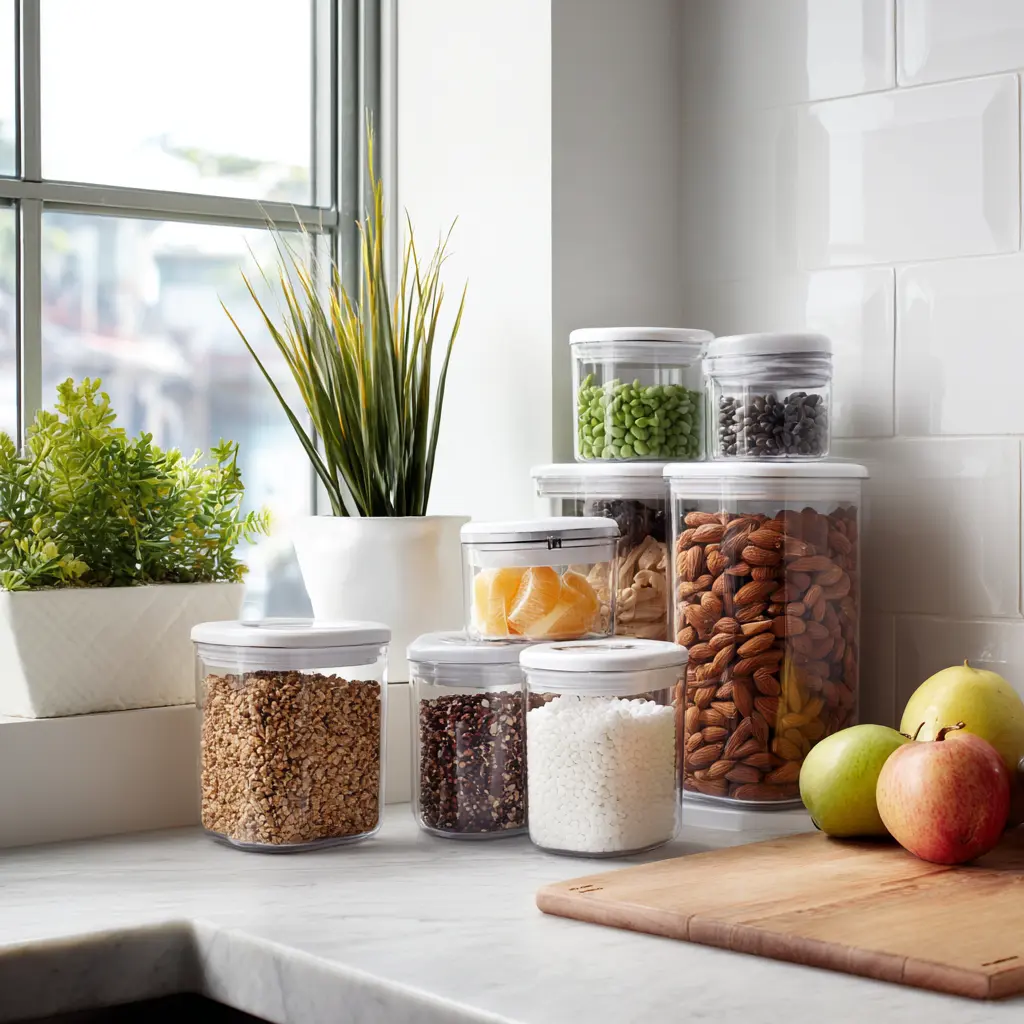
How to Actually Do This
If throwing away food genuinely bothers you (and I understand that), here are alternative options:
- Take it to work and leave it in a common area far from your desk
- Give it to a neighbor who doesn’t struggle with sugar
- Donate unopened items to a food bank or shelter
- Have a friend come pick it up and take it away
- Put it in your car trunk and drop it at the next office or organization you visit
The key is: get it out of your immediate environment within the next 24 hours. Not this weekend. Not when you finish it. Today.
Because with the new year approaching, it’s time to start protecting yourself. Building your defense mechanisms. Learning how to care for yourself so you can accomplish your goals this year.
“You cannot protect yourself from something that lives in your pantry. The first step to freedom is removing the obstacle.”
Step 2: Focus on Quality Foods That Rebuild Your System
We’ve had our last hurrah. We sampled everything. Now it’s time to start the engine of self-care and treat our bodies the way we know they deserve to be treated.
And here’s something critical I want you to understand: this is NOT a knowledge gap.
Many of you know better than I do what the “right” foods are to eat. You’ve read the articles. You’ve seen the documentaries. You understand that vegetables are good and cookies are not.
The problem has never been knowledge. The problem has been building the habit of eating quality foods first, with regularity, and staying away from the sweets.
What “Quality Foods” Actually Means
After a sugar binge, your body needs specific nutrients to stabilize and heal:
Protein at every meal: This is non-negotiable for the first week. Protein stabilizes blood sugar, reduces cravings, and helps repair the damage from sugar overconsumption. Aim for 20-30 grams at each meal.
Healthy fats: Your brain needs fat to function optimally and to feel satisfied. Include avocados, nuts, seeds, olive oil, fatty fish, and eggs. Fat doesn’t spike insulin the way sugar does.
Fiber-rich vegetables: These slow down digestion, stabilize blood sugar, and feed your beneficial gut bacteria (which sugar has been starving). Focus on leafy greens, cruciferous vegetables, and colorful produce.
Adequate water: Sugar consumption causes inflammation and dehydration. Your body needs water to flush out the excess and rebalance. Aim for half your body weight in ounces daily.
Fermented foods: Probiotic-rich foods like sauerkraut, kimchi, and yogurt help rebuild your gut microbiome, which has been disrupted by sugar overload.
The First-Three-Days Protocol
The first 72 hours after quitting sugar are the most critical. Your body is in withdrawal, and your cravings will be intense. Here’s what actually works:
Day 1: Eat protein and fat every 3-4 hours. Don’t worry about calories or portion sizes. Your only job is to stay away from sugar and keep your blood sugar stable. If you’re hungry, eat real food.
Day 2: You might feel worse than Day 1. This is normal. Your body is detoxing. Continue eating protein and fat regularly. Add gentle movement like walking if you feel up to it.
Day 3: This is typically when the worst of the physical cravings peak. If you can make it through this day without sugar, the intensity will start to decrease. Trust the process.
According to research published in Neuroscience & Biobehavioral Reviews, sugar withdrawal symptoms typically peak between days 2-4 and begin to subside significantly by day 5-7. You just need to get through this initial phase. Need a clear plan for these critical first days? The 30-Day Sugar Detox Challenge gives you specific meal plans, shopping lists, and day-by-day guidance so you’re never guessing what to eat. You’ll know exactly what to do when cravings hit, and you’ll have a community of people going through the exact same thing at the exact same time.
Step 3: Let Go of the Struggle (This One Throws People)
This is the step that changes everything. And it’s the one most people skip because they don’t understand it.
It’s time to stop fighting. It’s time to let go of the struggle.
I know that sounds counterintuitive. You might be thinking: “But Mike, if I stop fighting, won’t I just give in to the cravings?”
No. That’s not what I mean.
What People Really Want (And Why It’s Impossible)
Here’s the main thing people tell me when they first come to us:
“I want to eat sugar normally.”
Let me say that differently: YOU want to learn to eat sugar normally.
And let me tell you right here, right now: I understand.
I understand trying to make sense of this insanity. Yes, insanity. That’s not too strong a word for what this feels like.
The worries about weight. The worries about diabetes, especially if it runs in your family. The worries about your kids’ relationship with sugar. The way your clothes fit. The way you feel after eating sweets. The shame. The secrecy. The broken promises.
But the most baffling component – the one that most of us just can’t compute in our brains – is WHY we can’t keep the promises we make to ourselves to stop in a consistent and predictable way.
The Steak Test
If I said I was going to give up steak for a month, most of us wouldn’t spend much time craving steak. We might miss it a little. But we wouldn’t wake up thinking about it. We wouldn’t plan our day around when we could have it. We wouldn’t hide in the pantry eating it secretly at midnight.
But when it comes to sugar? All bets are off.
It turns into one big mystery – not “if” but “when” we will eat sugar again. Why the hell is that?
Seriously, why?
More questions. More worries. More mental energy spent trying to figure it out, trying to control it, trying to moderate it, trying to be “normal” around it.
Aren’t you tired? I mean just exhausted from thinking and worrying about it?
I know I was.
“The struggle isn’t making you stronger. It’s depleting you. And there’s no shame in admitting you need help.”

Why Letting Go of the Struggle Changes Everything
When I talk about letting go of the struggle, here’s what I actually mean:
Stop trying to figure this out alone. Stop believing you should be able to handle this by yourself. Stop treating asking for help as a weakness instead of a strategic move.
Let someone else drive the bus for a few days. Trust someone to help you. Ask for help. And then actually listen to what they tell you.
What can it hurt?
What Surrender Actually Looks Like
Hundreds of one-on-one conversations have shown me the same pattern over and over: when people finally surrender the reins to someone else and hang out with folks who are doing what they want to do, results happen.
I almost typed “miraculous results,” but I’ll leave that judgment to you.
Here’s what surrender looks like practically:
- Following a plan instead of creating your own each day
- Trusting guidance from people who’ve been where you are
- Showing up to community even when you don’t feel like it
- Asking questions instead of pretending you have all the answers
- Being honest about your struggles instead of hiding them
- Accepting support instead of insisting you can do it alone
This isn’t about being weak. This is about recognizing that sugar addiction is a serious issue that’s extremely difficult to address in isolation.
The Permission You’ve Been Waiting For
I’ve done something for years that always shocks people. They tell me afterward that no one had ever given them this, and they didn’t realize how badly they needed it.
So I’m going to do it for you right now:
If you need someone to give you permission to let go of the struggle and be kind to yourself, to do something good for yourself – I give you permission to do that now.
You have permission to:
- Stop trying to control sugar through willpower alone
- Admit that this is harder for you than it is for other people
- Ask for help without feeling like you’ve failed
- Invest time and resources in solving this problem
- Put your health and wellbeing ahead of social expectations
- Let someone else guide you for a while
- Be kind to yourself during this process
Does this mean giving up on “eating sugar normally”? Yes. For most people struggling with sugar, normal eating of sugar is simply not possible. And that’s not a moral failing – it’s a biological reality.
But here’s what you get in exchange: freedom. Actual freedom. Not the fake freedom of “I can eat whatever I want” (while secretly being controlled by cravings and shame). Real freedom where sugar stops occupying space in your brain.
Why This Year Can Actually Be Different
Maybe you’ve been here before. Standing at the start of a new year, determined that this time will be different. And maybe it hasn’t been.
But here’s what I’ve learned from watching thousands of people successfully quit sugar: the ones who make it aren’t the ones with the most willpower. They’re the ones who finally let go of trying to do it alone.
The Tipping Point
I remember specific moments in my recovery from various substances when I knew I was done. Once, I was driving and somehow I just knew I was finished with marijuana. It took a little while longer, but it did happen.
Same thing with alcohol. I was sitting at my parents’ kitchen table – alone at 3 in the morning and not exactly sober. That one didn’t happen the next day either, but the feeling was real, and it came true.
These were tipping points. Moments when something fundamental shifted, and I moved from trying to quit to actually being done.
Maybe you’re at your tipping point right now. Maybe the holiday overindulgence was the thing that finally made you realize: this isn’t sustainable. I can’t keep doing this. Something has to change.
What Makes a Tipping Point Stick
A tipping point alone isn’t enough. I had those realizations, but they only became lasting change when I got support.
According to the Substance Abuse and Mental Health Services Administration, peer support significantly increases success rates in recovery from any substance. The same principle applies to sugar.
You need:
- People who understand what you’re going through
- A clear plan for the difficult moments
- Accountability that keeps you honest
- Education about what’s happening in your body
- Community with others making the same commitment
This year can be different. But only if you’re willing to do it differently than you’ve done it before. Ready to stop struggling and start getting real support? The 30-Day Sugar Detox Challenge is designed for people who are tired of trying to figure this out alone. We work in the trenches with folks who are willing to take their life and health into their own hands. You get daily guidance, community support, and direct access to me throughout the entire process. I’ve been sugar-free for 35 years, and I’ve helped tens of thousands of people break free. Let me help you too.
Your Next Three Days
Here’s what I want you to do right now, starting today:
Today: Get the sugar out of your house. All of it. Don’t wait. Don’t make excuses. Just do it. Then go shopping for quality proteins, healthy fats, and vegetables. Stock your kitchen with foods that will support you, not sabotage you.
Tomorrow: Focus on eating protein and fat every 3-4 hours. Don’t worry about anything else. Just keep your blood sugar stable and stay away from sugar. Drink extra water. Be kind to yourself.
Day Three: This will likely be your hardest day. The cravings might peak. You might feel worse before you feel better. But if you can make it through this day, you’re through the worst of the physical withdrawal. Keep going.
And throughout all three days: let go of the struggle. Stop trying to figure it out alone. Reach out for support. Ask for help. Trust someone who’s been there to guide you.
The Fight Worth Fighting
Policy changes and fighting food companies aren’t my thing. That battle will probably continue long past my time here on earth.
My fight is for the folks who have done their own research, made their own decisions, and have decided to seek help in changing their behavior around sugar.
We get a seriously educated, thoughtful group for some reason. People who understand the stakes. People who are tired of the struggle. People who are ready to be done.
If that’s you, we’re here. We’re ready. And we’re waiting to help you make this year different from all the others.
The holidays are over. The sugar jag is real. But you don’t have to stay stuck in it.
Three steps. Starting today. You can do this.
About the Author:
Mike Collins, known as “The SugarFreeMan,” has been sugar-free for over 35 years and is the founder of SugarDetox.com. He has helped tens of thousands of people break free from sugar addiction through his evidence-based approach combining nutritional science with practical behavior change strategies.
Medical Disclaimer:
This article is for educational purposes only and is not intended to replace professional medical advice. Always consult with a healthcare provider before making significant dietary changes, especially if you have underlying health conditions.
FAQ
Q1: What is a sugar jag and why do I have worse cravings after the holidays?
A: A sugar jag is like an extended hangover from sugar overindulgence. During holidays, your body adapts to higher sugar intake – your insulin response increases, dopamine receptors get flooded, and your blood sugar stays elevated. After holidays end, your body craves more sugar to maintain that adapted state. The simple equation: more sugar in your system equals more cravings. Post-holiday cravings are typically worse because of physical dependency, emotional associations, environmental triggers, and habit momentum from weeks of daily sugar consumption.
Q2: Why is it so important to remove all sugar from my house immediately?
A: Willpower is a limited, depletable resource. Every time you resist temptation throughout the day, you drain your willpower reserves. By evening, after dozens of micro-decisions to not eat the cookies on your counter, you’re exhausted and more likely to give in. Removing sugar from your environment eliminates the need for constant decision-making and willpower depletion. This isn’t about weakness – it’s about strategic resource management. Environmental control is one of the most effective behavioral psychology principles for habit change.
Q3: What should I eat in the first 3 days after quitting sugar?
A: For the critical first 72 hours: Eat protein and healthy fat every 3-4 hours. Aim for 20-30 grams of protein per meal to stabilize blood sugar and reduce cravings. Include healthy fats (avocados, nuts, olive oil, fatty fish) for satiety and brain function. Add fiber-rich vegetables to slow digestion and stabilize blood sugar. Drink half your body weight in ounces of water daily. Don’t restrict calories – your only job is staying away from sugar while keeping blood sugar stable. The worst physical cravings typically peak on day 3 and begin subsiding by days 5-7.
Q4: Why can’t I just eat sugar “normally” like other people?
A: For many people struggling with sugar, “normal” eating of sugar simply isn’t possible due to biological factors. Sugar affects brain chemistry (dopamine, serotonin), creates physical dependency, and functions as an emotional regulation system. Unlike foods we don’t crave compulsively (like steak), sugar triggers addiction-like responses. The question isn’t “if” but “when” you’ll eat it again, and it occupies significant mental space. For people with this response pattern, attempting moderation often causes more struggle than complete elimination. This isn’t a moral failing – it’s a biological reality.
Q5: What does “letting go of the struggle” actually mean?
A: Letting go means stopping the attempt to control sugar through willpower alone and instead accepting support from people who’ve successfully navigated the same challenge. It means following a proven plan instead of creating your own daily, trusting guidance from experienced mentors, joining community, asking questions rather than pretending to have answers, being honest about struggles, and accepting help instead of insisting on independence. Hundreds of case studies show that surrender to a supportive process produces better results than continued solo struggling. This isn’t weakness – it’s strategic wisdom.
Q6: How do I know if I’m at my “tipping point” with sugar?
A: A tipping point is when you fundamentally shift from trying to quit to being done. Signs include: exhaustion from constant thinking and worrying about sugar, recognition that the struggle isn’t sustainable, awareness that sugar no longer delivers what it promises, readiness to admit you can’t handle it alone, and willingness to do something differently than you’ve done before. Post-holiday overindulgence often creates tipping points as people clearly see the cycle they’re trapped in. However, a tipping point alone isn’t enough – it must be coupled with support and action to create lasting change.