By Mike, The SugarFreeMan
Founder of SugarDetox.com and the 30-Day Sugar Freedom Challenge
I hope your weekend went well. I got out to a few events this weekend. We introverts have to push ourselves to get out, but when I do, I usually enjoy myself. I have pretty good social skills left over from my drinking days, but too long at a party can exhaust me.
Are your Christmas parties and dinners starting yet? If not, they’re coming. Office parties, friends’ gatherings, and family dinners galore.
And here’s something I’ve noticed over 35 years of navigating holidays sugar-free: it’s sometimes our own family that can be the hardest on us.

Featured Snippet Summary: Family members often unintentionally pressure loved ones to consume sugar during holidays because food represents love, tradition, and identity in family systems. The baker aunt who’s hurt when you skip her cookies isn’t being malicious – she’s defending her role in the family and expressing love the only way she knows how. Breaking these patterns requires understanding the psychology behind the pressure and having gentle strategies that preserve relationships while protecting your health.
This article was review by Dr. Camela McGrath, MD, FACOG. Find more about her here
The Alien in Your Own Family
I often wondered if I was an alien from another planet growing up.
My family meant well – at least I hope they did – but they never got any of my issues with substances. None. Zero understanding.
It’s better now, but three decades of being sugar-free will do that. Time has a way of proving you weren’t just being difficult.
But in those early years? I might as well have been speaking another language.
The thing is, you never want to think about your favorite aunt as a drug pusher. But that’s exactly what she is, even though she’d be horrified to hear it described that way.
Why Some Family Members Feel Like the Enemy
When you’re struggling with sugar addiction and trying to break free, certain family members can feel like they’re actively sabotaging you. The truth is more complicated and more human than that.
They’re not trying to hurt you. They’re trying to love you the only way they know how. And in trying to love you, they’re also protecting something about themselves. According to research published by the American Psychological Association, family food rituals serve multiple psychological functions: they reinforce group identity, express care and belonging, and often define individual roles within the family system. When someone breaks these patterns, it threatens the entire system.
The Aunt Who Bakes – And Knows You Haven’t Had One
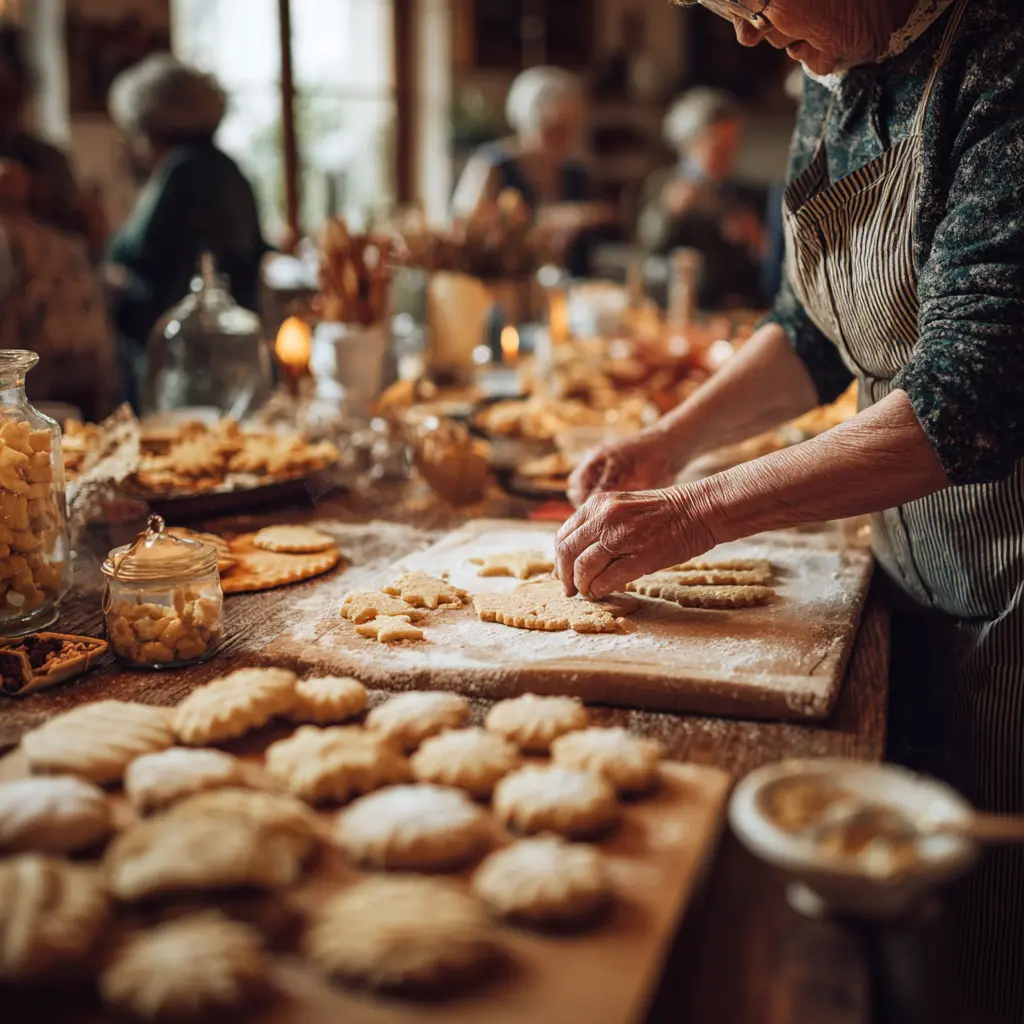
You know the one I’m talking about.
The best baker in the family. The one everyone can’t wait to visit during the holidays to sample her new creations alongside all the old standards she’s famous for. That aunt.
Except she has a little quirk that makes your life hell: she’s hyperaware of who’s eating her treats and who isn’t.
Maybe because she doesn’t get a ton of recognition elsewhere in life, this baking thing has become her identity. It’s how she contributes. It’s how she matters in the family narrative.
She takes this stuff seriously. And she’s genuinely good at it.
But she’s also insanely aware – maybe even hurt – when you’re not enjoying her treats.
How the hell does she even know you “haven’t had even one” of her newest cookies? You’ve been careful. You’ve been polite. You’re across the room talking to your cousin.
And yet somehow, she knows. And she’s standing next to you with a plate, gently insisting.
“I made these especially for you. You used to love them when you were little. Just try one. One won’t hurt.”
What’s Really Happening in This Moment
This isn’t about the cookie. It’s never about the cookie.
For your aunt, your refusal feels like:
- Rejection of her love and effort
- Questioning her value in the family
- Criticism of her contribution
- A disruption of tradition and connection
- Proof that you’ve changed in ways she doesn’t understand
She’s not thinking about your blood sugar. She’s not considering your addiction. She’s feeling dismissed and worried that her role in the family – the thing that makes her special – is being threatened.
And for you, her insistence feels like:
- Complete disregard for your struggle
- Pressure to sacrifice your health for her feelings
- Being forced to choose between your wellbeing and family harmony
- Having to explain yourself when you just want to enjoy the gathering
- Being made to feel wrong for taking care of yourself
Both of you are right. Both of you are hurt. And neither of you knows how to talk about it.
The Great Cook Who Measures Your Love in Portions
She’s not the only one who does this.
There’s the great cook – or maybe the only cook in the family – who seems genuinely upset if you don’t stuff yourself like everyone else. If you don’t eat what they deem as “enough.”
“Have you had enough food?”
“Come on, you barely touched the candied yams.”
“You’re looking thin. Are you eating okay?”
The subtext is always the same: Your eating differently means something is wrong. With you. With them. With the family.
The Limbic Brain and Tribal Belonging
I could go deep into the whole limbic brain thing – how our primitive brain wants to keep everyone in the group acting just like the group because that’s how our ancestors survived. Different behavior triggered alarms: “Is this person sick? Are they leaving the tribe? Are they rejecting us?”
But I think you already sense this on some level.
They’re not consciously trying to keep you in a sugar haze. They’re doing what they were taught, what they learned coming up. Food equals love. Eating together equals belonging. Refusing food equals rejection. Research from Harvard Health shows that shared meals are deeply connected to family bonding and emotional wellbeing. The problem arises when the specific foods being shared are harmful to some family members, but questioning the food feels like questioning the bond itself.
Why Family Food Pressure Is Different (and Harder)
You can decline sugar from a coworker without much thought. You can skip dessert at a restaurant without explanation. You can throw away a gift basket from a client without guilt.
But family? That’s different.
Because with family, there’s:
History
These aren’t just cookies. They’re your grandmother’s recipe that your aunt learned and now makes every Christmas. They’re connected to memories, to people who’ve passed, to traditions that go back generations.
Identity
How you eat together is part of who you are as a family. Changing that feels like changing who you are. Like you’re saying the family way isn’t good enough anymore.
Love Language
For many families, especially those where emotional expression is difficult, food becomes the primary way to say “I love you.” Your mom doesn’t hug much, but she makes your favorite pie. Your dad doesn’t say he’s proud, but he insists you have seconds of his famous roast.
Ongoing Relationships
You can’t just decline once and move on. You’re going to see these people again. At Thanksgiving. At Christmas. At Easter. At birthdays. Every single time, you’ll need to navigate this dynamic.
Guilt and Obligation
They raised you. They love you. They worked hard on this meal. They made your favorite dish specifically for you. How can you refuse without seeming ungrateful?
The Special Pain of Not Being Understood
The hardest part isn’t the pressure itself. It’s that they don’t get it. They genuinely don’t understand why you can’t “just have a little” or “make an exception for the holidays.”
If you had a severe peanut allergy, they wouldn’t push peanut butter cookies on you. If you were an alcoholic in recovery, most families would respect your need to avoid alcohol (though some still wouldn’t, sadly).
But sugar addiction? That’s not “real” to them. That’s just you being difficult. Being extreme. Being no fun.
And explaining it – trying to help them understand – often makes it worse because now you’re not just refusing their food, you’re criticizing their lifestyle, their choices, their way of showing love.
The First Holiday Is the Hardest
Here’s what I learned and what thousands of people in our programs have experienced: that initial change you make to eating differently than your family is brutal. It’s uncomfortable for everyone.
But after the first holidays, it gets easier. Usually much easier.
They stop browbeating you to eat more. They start to accept this is how you are now. Some of them might even start to respect it, especially as they see you looking healthier, having more energy, and not struggling the way you used to.
The key is getting through that first round without:
- Giving in and feeling terrible about yourself
- Creating a huge scene or fight
- Damaging important relationships
- Having to deliver a long explanation of your “new eating habits” to the entire table
As one of our community members described it: “Ugh. Freaking double ugh.”
Exactly.
The Rhythm Gets Disrupted
Holiday time with family has a rhythm to it, a cadence. It flows in predictable patterns year after year.
When you change it up even a little – though it feels like a lot – cages get rattled. Egos get bruised. And it ends up in, at the very least, a long drawn-out explanation of your new eating habits that nobody asked for and nobody really wants to hear.
Who wants that?
Not you. Not them. Not anyone.
So how do you protect your health and your recovery without destroying the family dynamic?
The Balance Between Self-Preservation and Family Harmony
This is the tightrope you’re walking. And it’s a real one – I’m not going to pretend it’s easy.
On one side: Your health. Your recovery. Your promises to yourself. Your freedom from addiction. Your future.
On the other side: People you love. Traditions that matter. Relationships you don’t want to damage. Family harmony. Not being “that person” who makes everything difficult.
The old advice would tell you to choose yourself no matter what. “People who really love you will understand.” “Your health comes first.” “Set boundaries.”
All of that is true. But it’s not that simple when it’s your mother, your grandmother, your aunt, your sister.
What you need are strategies that let you do both: protect your health AND preserve your relationships.

Gentle Tricks and Tips That Actually Work
There are so many gentle techniques you can employ without causing a huge scene or a fight. Ways to stay strong while gently deflecting the comments and questions.
After helping tens of thousands of people navigate this exact situation, here’s what actually works:
Strategy 1: The Preemptive Strike
Before the gathering, have a brief, private conversation with the key people – particularly the baker aunt or the main cook.
“Aunt Mary, I want you to know ahead of time that I’m not eating sugar right now because of some health things I’m working on. I don’t want to make a big deal about it at dinner, but I also didn’t want you to think I don’t appreciate all your hard work. Your baking is amazing – I’m just taking care of something I need to take care of.”
This approach:
- Acknowledges her skill and effort
- Explains your choice without over-explaining
- Asks her not to make it public
- Frames it as health, not preference
- Makes her an ally instead of an adversary
Strategy 2: The Plate Strategy
Keep a plate with food on it. Always. Even if you’re not actively eating, having food on your plate makes you look like you’re participating.
Fill it with the foods you can eat. Make it look abundant. Add vegetables, proteins, things that show you’re eating, just choosing differently.
This satisfies the visual cue that you’re “eating enough” without requiring explanation.
Strategy 3: The Busy Hands Technique
Hold a drink (water, sparkling water, coffee, tea). Having something in your hands gives you something to do and makes you less available to accept plates of cookies.
When offered sweets, you can easily say, “I’m good with my coffee right now, thanks,” and keep moving.
Strategy 4: The Compliment Redirect
When Aunt Mary brings you cookies:
“Those look beautiful! You’re so talented. I’m curious – did you try that new technique you were talking about? How did the kids like them?”
You’ve complimented her work and redirected attention away from whether YOU’RE eating them. She got the recognition she needed. You didn’t have to refuse or explain.
Strategy 5: The Taking-It-To-Go
Accept a small container to “take home.” You acknowledge the offer, you accept the gift, you remove the immediate pressure.
What you do with it later (give it away, throw it away, leave it in the car) is your business. This isn’t dishonest – it’s kind. To both of you.
Strategy 6: The Full Stomach Defense
Eat before you go. Seriously. Have a full, satisfying meal before you arrive at the family gathering.
When you’re genuinely full, it’s much easier to say “I’m stuffed, everything was delicious” without feeling deprived or tempted.
Strategy 7: The Role Shift
Make yourself useful in ways that don’t involve eating. Volunteer to help serve, clear plates, entertain kids, set up coffee. Being busy and helpful gives you purpose and protection.
Hard to push food on someone who’s actively carrying dishes to the kitchen.
Strategy 8: The Medical Vagueness
If pressed, you can say: “My doctor and I are working on some things with my blood sugar/inflammation/energy levels. I’m just following the plan.”
Most people won’t argue with “doctor’s orders” even if they think you’re being extreme.
What to Do When the Pressure Escalates
Sometimes, despite your best efforts, someone won’t let it go. The baker aunt is offended. The cook is hurt. Someone makes a comment about you being “no fun anymore” or “too extreme.”
Here’s how to handle escalation:
Stay Calm and Kind
Don’t get defensive. Don’t get angry. Don’t launch into a lecture about sugar addiction or family dysfunction.
Simply say: “I understand this seems different. I’m taking care of something important to me. I still love spending time with everyone.”
Don’t Justify Extensively
The more you explain, the more ammunition you give them to argue. Keep it brief. Keep it firm. Keep it loving.
Acknowledge Their Feelings
“I know you worked hard on this. I know it’s your specialty. I’m not rejecting you – I’m just taking care of myself.”
Offer an Alternative Connection
“I’d love to hear about your trip next week. Can we grab coffee and you can tell me all about it?”
Show them that not eating their food doesn’t mean you don’t value them.
Accept That Some People Won’t Understand
Not everyone will get it. Not everyone will support it. Some people might be genuinely hurt or offended no matter how kindly you handle it.
That’s not your fault. You can be kind and clear and respectful, and they can still be upset. Their feelings are not your responsibility to manage by sacrificing your health.
When Love and Tradition Feel Like a Trap
There is so much love and tradition wrapped up in family food patterns. These old patterns are tough to change, especially when you’re the only one changing.
It can feel impossibly lonely. Like you’re choosing between your health and your family. Like you have to be the difficult one, the different one, the one who ruins the flow.
But here’s what I learned: Real love accommodates. Real family finds a way. Real tradition can evolve.
If your family genuinely loves you – and most do, even the ones who push cookies on you – they’ll adjust. It might take time. It might be uncomfortable at first. But they’ll adjust.
And the ones who don’t? The ones who continue to pressure you, shame you, or make your health journey about their feelings?
That tells you something important about the relationship that’s worth knowing.
Creating New Traditions
Part of the solution is creating new ways to connect that don’t center on sugar-loaded foods.
Suggest going for a walk after dinner instead of sitting around eating dessert. Propose a family game night. Offer to help with decorating or preparations. Start a new tradition that becomes “your thing” with certain family members. According to research from the Journal of Social and Personal Relationships, family bonds strengthen most through shared activities and experiences, not just shared meals. Food is one way to connect, but it’s not the only way.
The Support You Need to Navigate This
Here’s the truth: navigating family dynamics around sugar is one of the hardest parts of recovery. Harder than the physical cravings. Harder than finding foods to eat. Harder than developing new habits.
Because it’s not just about you. It’s about complicated relationships with people you love who may not understand what you’re going through.
This is why having support from people who DO understand is crucial.
People who’ve been through it. People who know exactly what it’s like to stand in Aunt Mary’s kitchen trying to decline cookies without hurting her feelings. People who can text you from the bathroom at a family dinner when you need a reality check.
We’ve found that this family stuff really rattles people. More than they expect. More than they’re prepared for.
You need moral support to feel strong enough to breeze through it without upset. You need practical strategies that actually work in real situations with real families. You need someone to remind you that you’re not being difficult – you’re being healthy.
Our 30-Day Sugar Detox Challenge includes exactly this kind of support. Not just meal plans and recipes – though we have those. But real strategies for real situations, including how to handle family pressure without alienating people you love.
Imagine being able to duck into the bathroom at your aunt’s house and text a friend who’s probably at the same kind of party dealing with the same kind of pressure. Imagine having someone who gets it, who doesn’t think you’re being extreme, who can remind you why you’re doing this.
That’s what our community provides.
Making These Holidays Different
You can’t change your family. You probably can’t make them understand your relationship with sugar, at least not right away.
But you can change how you respond. You can change how you protect yourself. You can change how you navigate these situations.
The first holiday season is the hardest. But it’s also the most important because it sets the precedent for every holiday season after.
Your family will adjust to the new you. They’ll learn that you’re serious about this. They’ll stop pushing once they see you’re not going to give in.
And some of them – maybe the baker aunt, maybe the great cook – might even come to respect what you’re doing, even if they don’t fully understand it.
But you have to get through this first one. And you don’t have to do it alone.
It’s up to you whether you want support during this challenging time. But having it makes all the difference between white-knuckling your way through holiday gatherings and actually enjoying them.
Join our 30-Day Sugar Detox Challenge and let’s make these holidays different. Not perfect. Not conflict-free. But different in a way that honors both your health and your relationships.
Because you deserve to enjoy the holidays with your family without sacrificing yourself in the process.
About the Author
Mike Collins, known as “The SugarFreeMan,” has been sugar-free for over 35 years and is the founder of SugarDetox.com. He has helped tens of thousands of people break free from sugar addiction through his evidence-based approach combining nutritional science with practical behavior change strategies.
Medical Disclaimer
This article is for educational purposes only and is not intended to replace professional medical advice. Always consult with a healthcare provider before making significant dietary changes, especially if you have underlying health conditions.
FAQ
Is it rude to refuse food from family during holidays?
No. It can feel uncomfortable, but taking care of your health is not disrespectful. The key is to respond with kindness and appreciation rather than rejection.
How do I say no to sweets without hurting someone’s feelings?
Use gentle language like: “I really appreciate this-it looks amazing. I’m just not eating sugar right now.”
This keeps the focus on you, not their cooking.
What if my family keeps insisting?
Stay calm and repeat your boundary without over-explaining. Consistency matters more than convincing them.
Why do family members take it personally?
Because food is often tied to love, identity, and tradition. Your refusal can feel like rejection-even when it’s not.
Does it get easier over time?
Yes. The first holiday is the hardest. Once your family sees consistency, they usually stop pushing.
What should I do if I feel pressured or overwhelmed?
Step away briefly, reset, and remind yourself why you started. Having support (like a community or friend) helps a lot.